
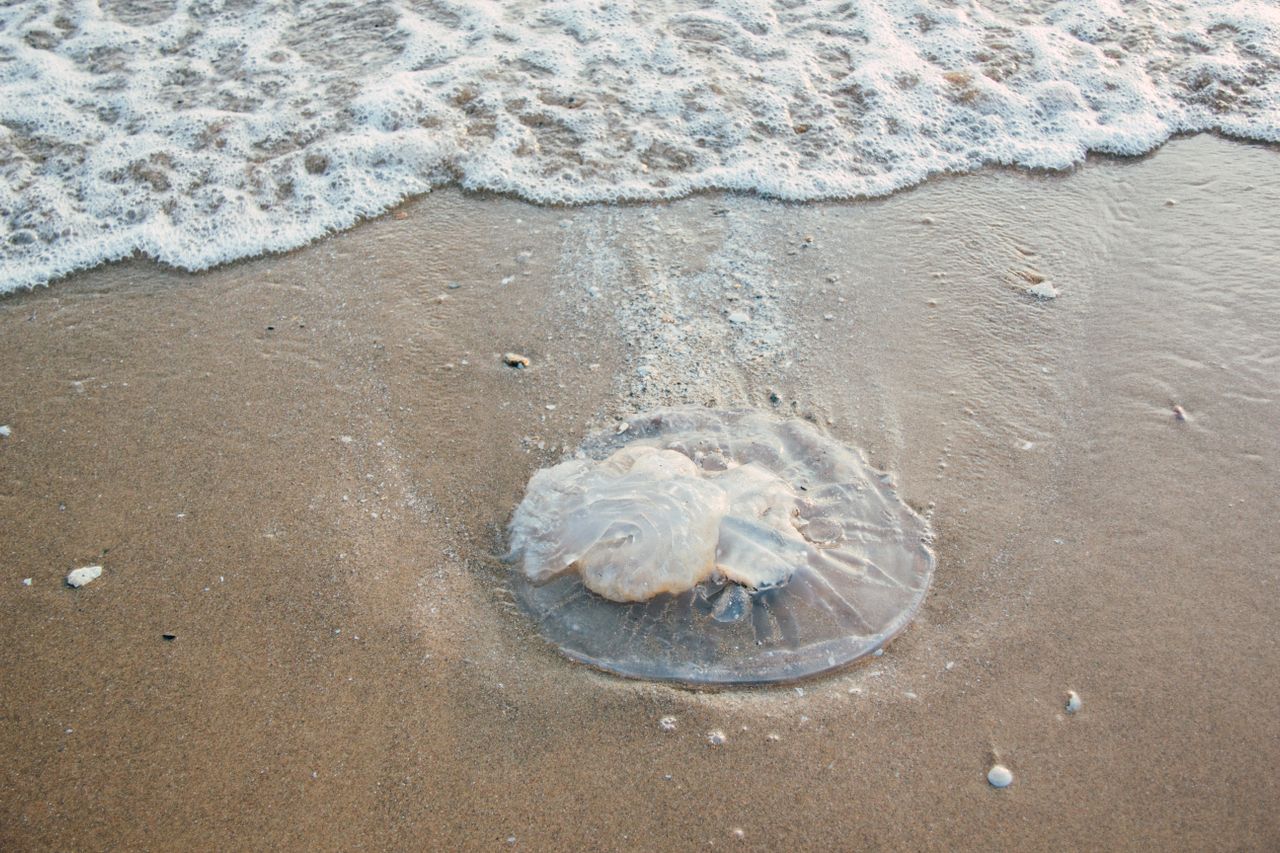
If you’ve spent much time at South Carolina beaches, you’ve probably encountered a jellyfish—or at least wondered what that mysterious blob washed up on the sand was. While jellyfish are a natural part of our coastal ecosystem, knowing which species you’re likely to see, when they appear, and what to do if you’re stung can make your next beach trip much more enjoyable.
Here’s everything you should know before heading into the water.
Are Jellyfish Common in South Carolina?
Yes. Several species of jellyfish live in the Atlantic waters off South Carolina year-round. Most stay offshore, but winds, tides, and currents can bring large numbers closer to the beaches during certain times of the year.
Fortunately, the vast majority of jellyfish encounters result in only mild stings. Serious reactions are uncommon but can occur, especially for people with allergies or if a sting affects the face or throat.
When Is Jellyfish Season in South Carolina?
Jellyfish can be found during any month of the year, but they’re most common between late spring and early fall, especially from May through September.
Peak jellyfish activity typically occurs during:
- Warm ocean temperatures
- Light onshore winds
- Late summer (July–September)
- Following periods of calm weather
Strong winds and changing tides can also wash jellyfish onto the beach, where they may still sting even after they’ve died.
Common Jellyfish Found Along the South Carolina Coast
Moon Jelly
The moon jelly is the species beachgoers encounter most often.
How to identify it:
- Clear or milky white bell
- Four horseshoe-shaped rings visible inside
- Usually 6–15 inches across
Sting severity: Mild
Moon jelly stings are often so minor that many swimmers don’t notice them, though sensitive individuals may experience slight irritation.
Atlantic Sea Nettle
The Atlantic sea nettle is responsible for many of the more painful stings along the East Coast.
How to identify it:
- Cream or white bell with reddish-brown markings
- Long, flowing tentacles
- Bell up to 12 inches wide
Sting severity: Moderate
A sting typically causes immediate burning, redness, and raised welts that may last several hours.
Cannonball Jellyfish
Also called the cabbagehead jellyfish, this is one of the most common large jellyfish seen in South Carolina.
How to identify it:
- Round, mushroom-like appearance
- White or cream-colored
- No long trailing tentacles
Sting severity: Very mild
These jellyfish rarely sting people and are generally considered harmless to swimmers.
Lion’s Mane Jellyfish
This cold-water species occasionally appears during cooler months.
How to identify it:
- Large bell
- Long reddish or brown tentacles
- Hair-like appearance underwater
Sting severity: Moderate to severe
Although uncommon, their sting can be quite painful.
Portuguese Man o’ War
Technically, the Portuguese man o’ war isn’t a true jellyfish—it’s a colony of specialized organisms working together. They’re uncommon in South Carolina but occasionally drift north after tropical systems or strong offshore winds.
How to identify it:
- Bright blue or purple floating sail
- Extremely long blue tentacles
Sting severity: Severe
Avoid these completely. Even detached tentacles can deliver painful stings.
What Does a Jellyfish Sting Feel Like?
Most people experience:
- Sharp burning pain
- Red or purple welts
- Itching
- Swelling
- Tingling sensation
The pain usually improves within a few hours, although irritation can last for several days.
How to Treat a Jellyfish Sting
If you’re stung:
1. Get out of the water
This prevents additional stings and allows you to safely examine the affected area.
2. Don’t rub the skin
Rubbing can activate any remaining stinging cells.
3. Rinse with seawater
Avoid fresh water immediately after the sting, as it may trigger additional venom release.
4. Carefully remove tentacles
Use tweezers or the edge of a credit card if visible tentacles remain. Avoid touching them with bare hands.
5. Soak in hot water
If possible, immerse the area in hot (not scalding) water—around 104–113°F (40–45°C)—for 20–45 minutes. Heat helps reduce pain by breaking down some jellyfish toxins.
6. Use over-the-counter pain relief
Hydrocortisone cream, antihistamines, or ibuprofen may help reduce discomfort.
Should You Pee on a Jellyfish Sting?
No.
Despite what movies suggest, urine is not a recommended treatment. It can actually worsen certain jellyfish stings by causing additional venom release.
Stick with seawater, careful tentacle removal, and hot water immersion instead.
When Should You Seek Medical Care?
Call 911 or seek immediate medical attention if someone experiences:
- Difficulty breathing
- Chest pain
- Severe swelling
- Widespread rash
- Vomiting
- Dizziness or fainting
- Stings covering a large area of the body
- Stings to the eyes or mouth
Young children, older adults, and anyone with a history of severe allergic reactions should also be evaluated if symptoms become significant.
Can Dead Jellyfish Still Sting?
Yes.
Even after washing ashore, jellyfish tentacles can continue to sting for hours—or occasionally days. Teach children not to touch jellyfish, even if they appear dried out on the beach.
Tips for Avoiding Jellyfish
A few simple precautions can greatly reduce your chances of getting stung:
- Check local beach conditions before swimming.
- Avoid swimming where large numbers of jellyfish are visible.
- Shuffle carefully when wading through shallow water.
- Don’t touch stranded jellyfish.
- Consider wearing a rash guard if jellyfish are especially abundant.
- Be extra cautious after strong onshore winds or tropical storms.
Enjoy South Carolina’s Beaches Safely
Jellyfish are simply part of the coastal environment and shouldn’t keep you from enjoying South Carolina’s beautiful beaches. Most encounters are harmless, and knowing how to identify common species and properly treat a sting can give you extra peace of mind.
Before your next beach trip, check the latest surf conditions, tides, and live beach cameras to see what’s happening along the coast. Calm water and clear visibility make it easier to spot jellyfish before you enter the ocean, helping you enjoy a safer day at the beach.